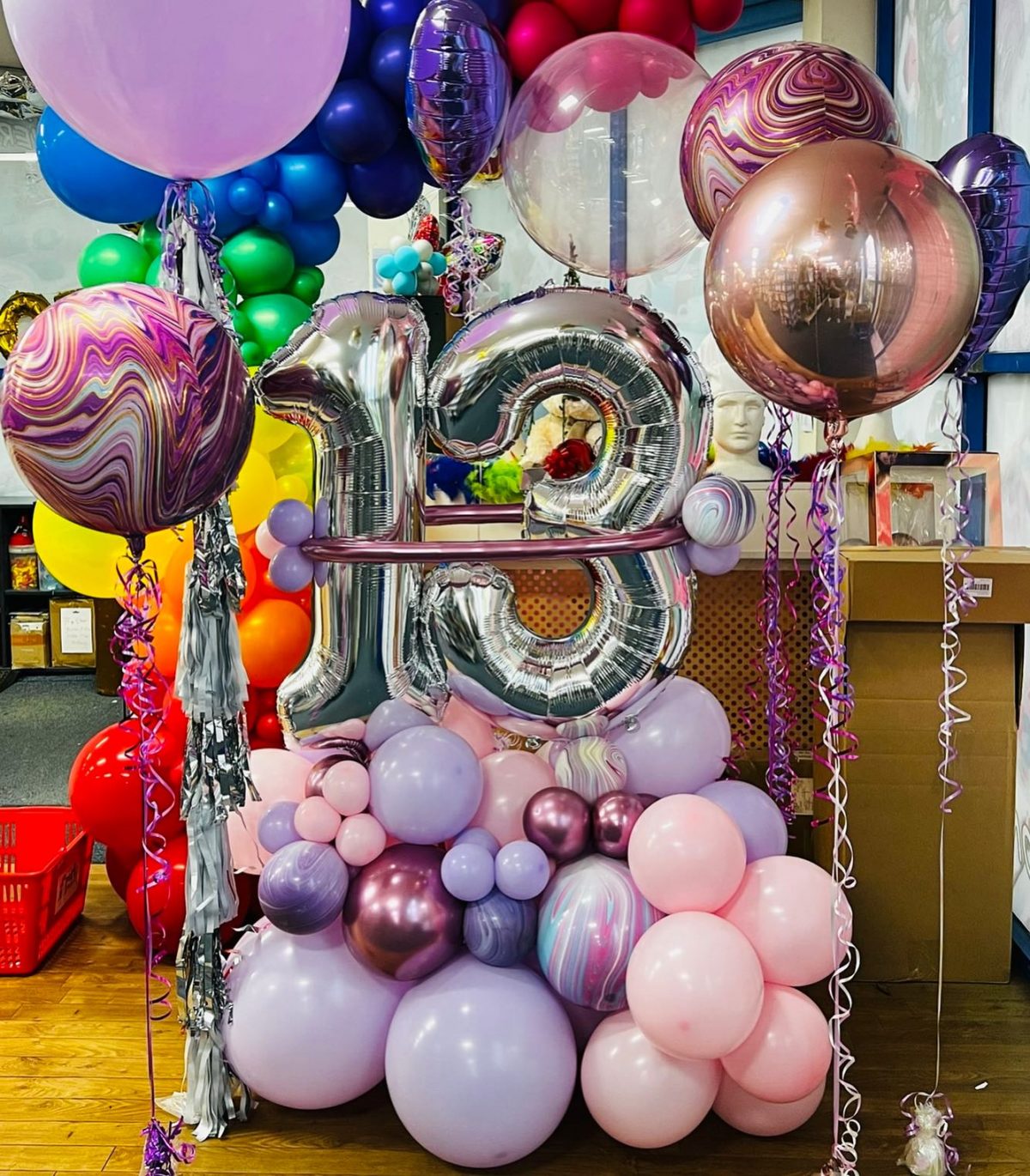

A lot of people like foil balloons, which are sometimes called Mylar balloons, because they are shiny, come in fun shapes, and stay inflated for a long time. But if you’ve ever struggled to get one properly inflated without a puncture or a wonky shape, you’re not alone. Learning how to inflate foil balloons the right way makes the difference between a crisp, professional-looking display and a saggy, half-filled disappointment. Here’s a complete, no-fuss guide.
Key Takeaways
- Foil balloons hold air and helium far longer than latex thanks to their nylon-based material.
- Always inflate slowly and avoid overfilling to prevent tears at the seams.
- Foil balloons can be filled with either helium or air, depending on whether you want them to float or stay in place.
- Most foil balloons are refillable through their self-sealing valve, extending their usable life.
- A dedicated foil balloon pump or helium nozzle gives the cleanest, most controlled results.
What Makes Foil Balloons Different?
Unlike latex balloons, foil balloons are made from a nylon material coated in a thin metallic layer, which is far less porous than latex. This is why they hold air or helium so much longer. However, that same material is more delicate around the seams and valve, so inflating them correctly matters more than it does with latex.
How to Inflate Foil Balloons with Helium
Helium-filled foil balloons are the classic choice for floating displays, bouquets, and number or letter balloons used at birthdays and events.
Step 1: Check the balloon for damage.
Before inflating, inspect the seams and valve for tears or weak spots.
Step 2: Attach the nozzle.
Most helium tanks come with a nozzle designed to fit snugly into the balloon’s self-sealing valve.
Step 3: Insert the valve carefully.
Slide the balloon’s valve opening over the nozzle, making sure it’s centered and not twisted.
Step 4: Inflate slowly.
Helium should be let out slowly, not all at once. Foil balloons should feel firm, but not stretched too far. Overinflating is one of the most common causes of tears.
Step 5: Seal and check.
Most foil balloons self-seal once you remove the nozzle, but you can add a drop of balloon sealant or a small piece of tape over the valve for extra security.
You can check out more about Types of Balloons Explained before you commit to a design. This will help design accordingly without mixing shapes and sizes.
How to Inflate Foil Balloons with Air (No Helium)
If you’re not planning to float your balloons, air-filled foil balloons work just as well for garlands, arches, or wall decorations, and they last even longer than helium versions.
Option 1: Use a balloon pump.
A hand or electric balloon pump is the fastest, most controlled way to fill foil balloons with air. Insert the pump nozzle into the valve and inflate slowly until the balloon is firm but not tight.
Option 2: Use a straw.
For smaller foil balloons, you can insert a straw into the valve, blow gently, then pinch the valve closed as you remove the straw.
Option 3: Inflate by mouth directly.
This works for small balloons but can be tricky to control and isn’t recommended for larger number or letter balloons.
Tips for a Smooth Foil Balloon Inflation
Here are some tips for a smooth foil balloon inflation:
- Don’t blow up foil balloons too much; they should feel soft, not hard.
- Inflate in a cool space, since heat can cause the material to expand and weaken seams
- Use a foil balloon pump for large or oddly shaped designs like numbers and letters
- Keep sharp objects, jewelry, and pet claws away during handling
- If using helium, inflate foil balloons last, after latex balloons, since they don’t need much lift
Can You Refill Foil Balloons?
Yes. One of the biggest advantages of foil balloons is that most have a self-sealing valve, which means they can be refilled with helium or air once they start to sag, extending their lifespan by days or even weeks.
How Long Do Foil Balloons Stay Inflated?
Helium-filled foil balloons typically float for 1-2 weeks, while air-filled foil balloons used for garlands or arches can last several weeks to months, since they aren’t relying on buoyancy and are less affected by helium leakage. For more detail on lifespan differences across balloon types, this guide on How Long Do Helium Balloons Last is a useful companion read.
Foil vs Other Balloon Types
If you’re deciding which balloons to use for your event, it helps to understand the broader differences covered in Latex vs Foil Balloons.
Where to Buy Foil Balloons
When it comes to foil balloons, quality is important. Cheaper, thinner material is much more likely to tear when inflated. You can Buy Balloons online in a wide range of shapes, sizes, and finishes, and for pumps, helium tanks, and full party balloon decorations, Party House offers everything you need to get your display inflated and installed without the trial and error.
Frequently Asked Questions
How do you inflate foil balloons correctly?
Attach the balloon’s valve to a helium nozzle or balloon pump, inflate slowly until firm (not tight), and seal the valve with tape or balloon sealant if needed.
Can you inflate foil balloons with air instead of helium?
Yes. Air-filled foil balloons work well for garlands, arches, and decorations that don’t need to float, and they typically last longer than helium-filled ones.
Can you inflate foil balloons at home?
Yes, using a hand pump, electric balloon pump, or even a straw for smaller balloons. A helium tank is only needed if you want them to float.
What is the easiest way to inflate foil balloons?
A balloon pump is generally the easiest and most controlled method, especially for larger number or letter balloons, since it avoids the risk of overinflating by mouth.